
Quick Overview of the Tiger Barb
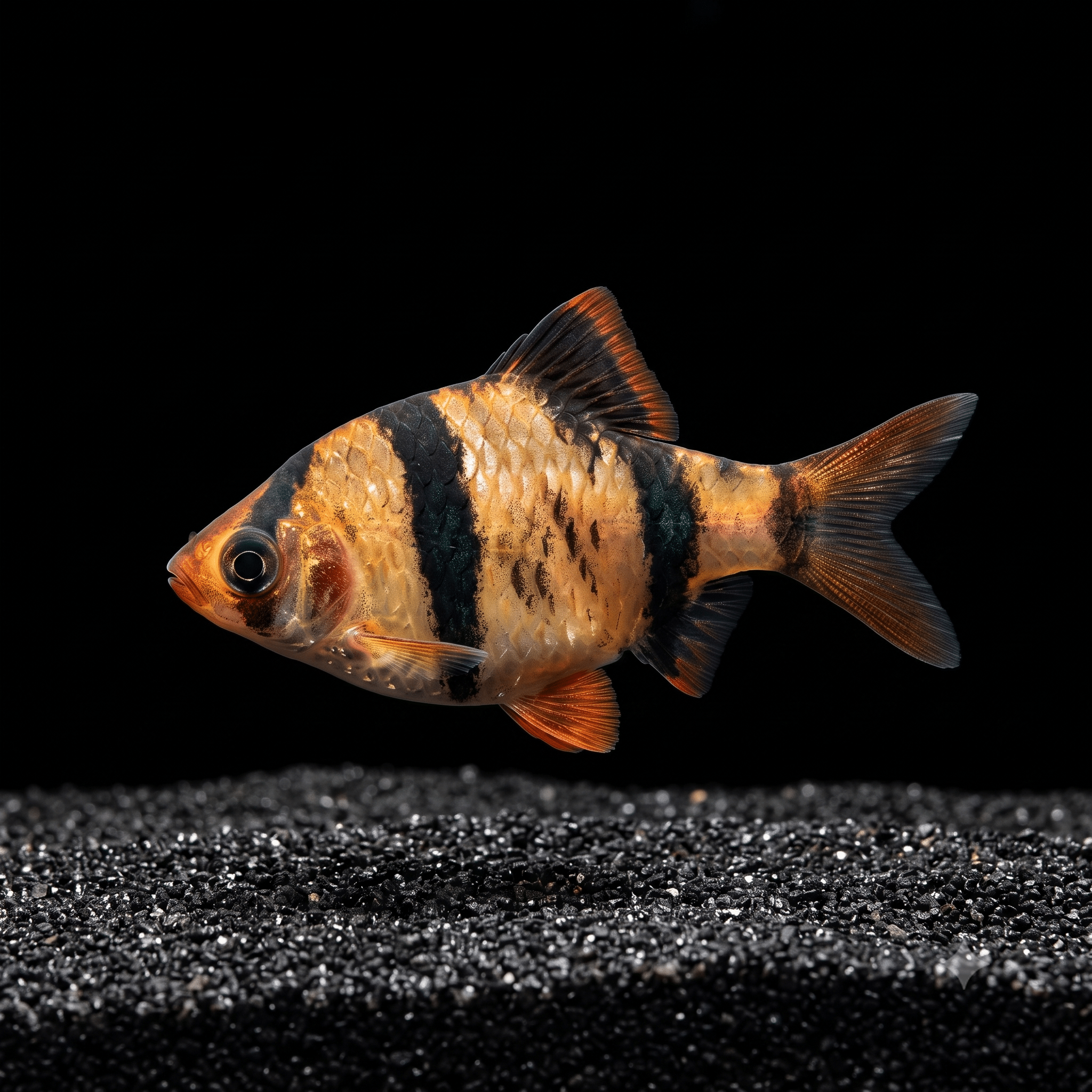
The Tiger Barb (Puntigrus tetrazona), native to the clear, flowing streams and river systems of Sumatra and Borneo, is one of the most famous and instantly recognizable freshwater fish in the entire aquarium hobby. Reaching a manageable adult size of 2.5 to 3 inches (6 to 7.5 cm), this species is celebrated for its distinctive high-backed profile and high-voltage personality. Its warm, shimmering golden-yellow chassis is slashed by four bold, velvety pitch-black vertical bands. Dominant males develop a brilliant, fiery crimson blush on their snout and dorsal fin tips, constantly engaging in energetic, harmless sparring dances that keep the aquarium buzzing with life.
Tank/Plant Profiles & Environmental Requirements
-
Care Level: Very Easy / Beginner Friendly
-
Growth Rate / Activity: Fast Growing; Highly Active, Fast-Paced Schooling Fish
-
Lighting: Moderate (Balanced lighting showcases their metallic sheen and bright orange fins)
-
Temperature: 22°C – 27°C (Thrives easily in our natural tropical climate)
-
Tank Placement: Mid-Water Column Swimmers
-
Minimum Tank Size: 20 Gallons Long (Must be kept in a group of 8 to 12+ to manage social behavior)
Local Care Tips for Bacolod Aquarists
Bacolod Tap Water Synergy & Dissolved Oxygen Needs: Tiger Barbs are practically bullet-proof and adjust wonderfully to Bacolod’s typical hard, neutral to slightly alkaline tap water parameters (pH 6.8–7.8). You can skip complex water-softening treatments—simply use a high-quality water conditioner during routine changes. Because they are athletic, non-stop swimmers, maintaining high dissolved oxygen levels is essential. Ensure your filter output creates a solid, rolling surface ripple or add an air stone during hot Negrense summer months to keep gas exchange at peak efficiency.
Aquascaping Strategy for Active Swimmers: To keep your Tiger Barbs confident and displaying their richest coloration, provide a well-structured aquascape with plenty of open swimming area in the center. Use dark backgrounds and substrates to make their black stripes and red fins pop. They are 100% plant-safe and look breathtaking gliding over a green carpet of Monte Carlo or Dwarf Hairgrass. Frame the back and sides with tough stem plants or shade-loving epiphytes like Anubias Barteri or Java Ferns bound securely to local driftwood. Always leave the rhizomes of these epiphytes exposed above the substrate to prevent rot!
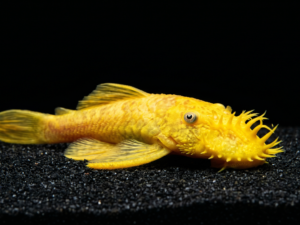
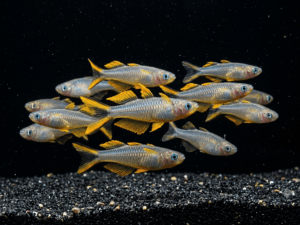
The “School Size Secret” & Tankmate Selection: Tiger Barbs have a notorious reputation for fin-nipping, but this behavior is almost always caused by keeping them in groups that are too small. When kept in a proper school of 8 to 12 or more, they establish a tight internal hierarchy; they spend all their time playing and chasing each other while leaving other tankmates completely alone! Avoid housing them with slow, long-finned species like Angelfish, Bettas, or Fancy Guppies. Instead, pair them with equally fast, short-finned community residents like Danios, Rainbowfish, Clown Loaches, Plecos, or Corydoras. Always keep a secure lid on the aquarium to prevent accidental leaps during high-speed feeding frenzies.