
Quick Overview of the Kanoko Neocaridina Shrimp
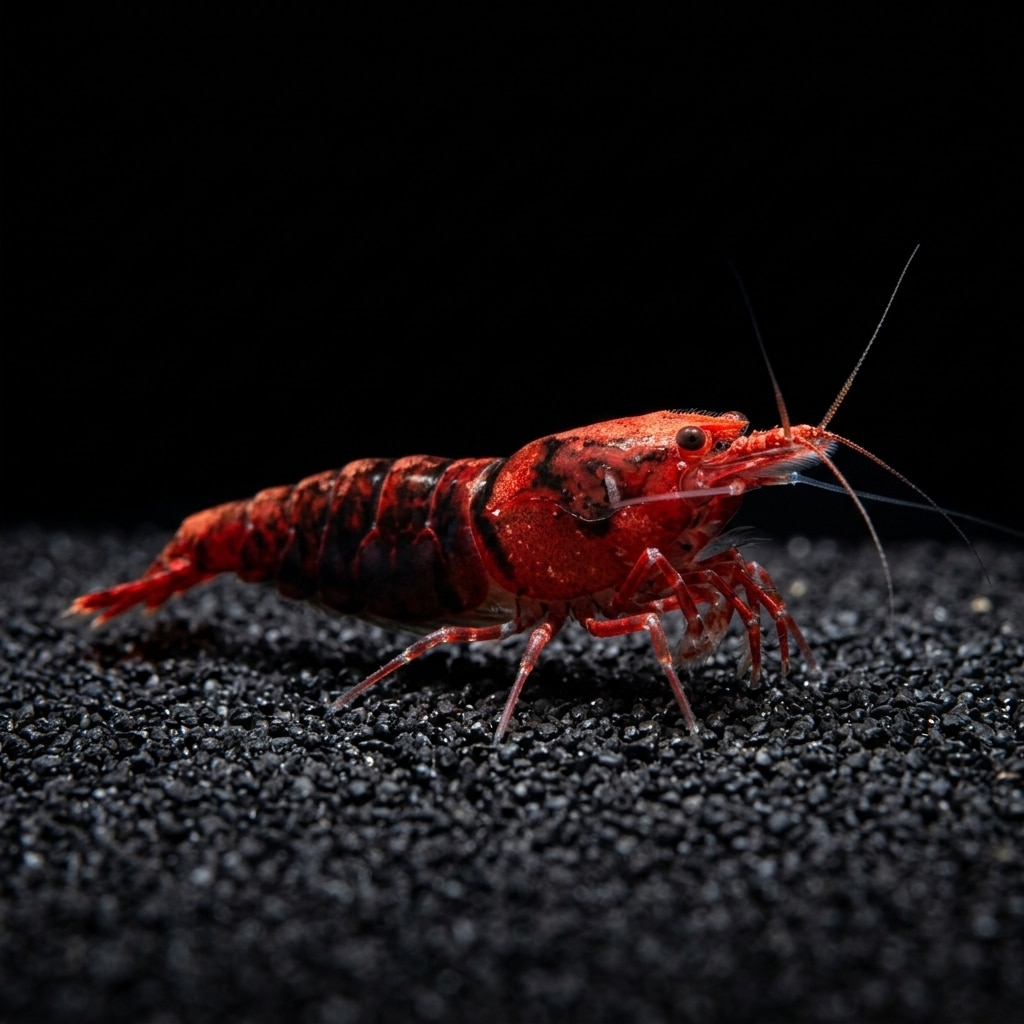
The Kanoko Neocaridina Shrimp (Neocaridina davidi var. “Kanoko”), named after the traditional Japanese “kanoko” (fawn spot) tie-dye pattern, is a highly prized and rare line in the dwarf shrimp hobby. Reaching a compact adult size of 1 to 1.5 inches (2.5 to 3.8 cm), this high-grade selectively bred variant stands out for its unique dappled coloration. Unlike standard uniform Red Cherry or Fire Red shrimp, the Kanoko morph boasts a deep ruby-red shell peppered with distinct, jet-black spots and blotches along its carapace and abdomen. Social, active, and endlessly engaging to observe, a colony of these dwarf shrimp brings continuous motion and utility to any planted display.
Tank/Plant Profiles & Environmental Requirements
-
Care Level: Very Easy / Beginner Friendly
-
Growth Rate / Activity: Fast Breeder; Highly Active Micro-Cleaner & Biofilm Scavenger
-
Lighting: Low to Moderate (A good light highlights their black-dappled pattern against foliage)
-
Temperature: 20°C – 26°C (Thrives naturally in Bacolod’s tropical room temperatures)
-
Tank Placement: Substrate, Moss, Plant Leaves & Hardscape Glider
-
Minimum Tank Size: 5 Gallons (A starting group of 10+ is ideal for establishing a breeding colony)
Local Care Tips for Bacolod Aquarists
Bacolod Tap Water Synergy & Molting Health: Kanoko Neocaridina shrimp are exceptionally hardy and adapt effortlessly to Bacolod’s typical neutral-to-slightly-hard, mineral-rich tap water (pH 7.0–7.8). Dissolved minerals like calcium and magnesium in local tap water provide essential GH/KH levels needed for healthy, problem-free exoskeleton molting. Simply treat your tap water with a high-grade dechlorinator during weekly water changes. Never use copper-based plant fertilizers or treatments, as copper is lethal to all freshwater invertebrates.
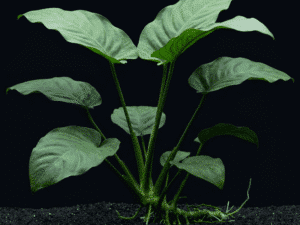
Aquascaping Strategy & High-Contrast Plant Layout: To make the rich red bodies and dark black spots pop, house them on lighter sand or bright green carpets like Monte Carlo or Dwarf Hairgrass. Incorporate fine-leaved mosses (such as Java Moss or Christmas Moss) into your hardscape; moss provides rich surface area for micro-biofilm growth, which feeds both adults and tiny shrimplets. Frame your midground with easy epiphytes like Anubias Nano, Java Ferns, or Bucephalandra bound to local driftwood or Seiryu stones—just ensure the rhizomes of these epiphytes remain completely exposed above the soil to keep them from rotting!
Dietary Specifics & Tankmate Compatibility: Kanoko Shrimp are dedicated cleanup workers that graze continuously on algae, detritus, and decaying plant matter. Supplement their diet daily with high-quality sinking shrimp pellets, spirulina powder, mineral blocks, and occasional treats of blanched spinach or cucumber. They possess zero aggression and can be safely housed alongside other dwarf shrimp, Horned Nerite Snails, Otocinclus, Pygmy Corydoras, and small micro-schoolers (like Chili Rasboras or Green Axelrodi Rasboras). Always keep a fine mesh screen over filter intakes to protect delicate shrimplets from getting pulled into the pump!