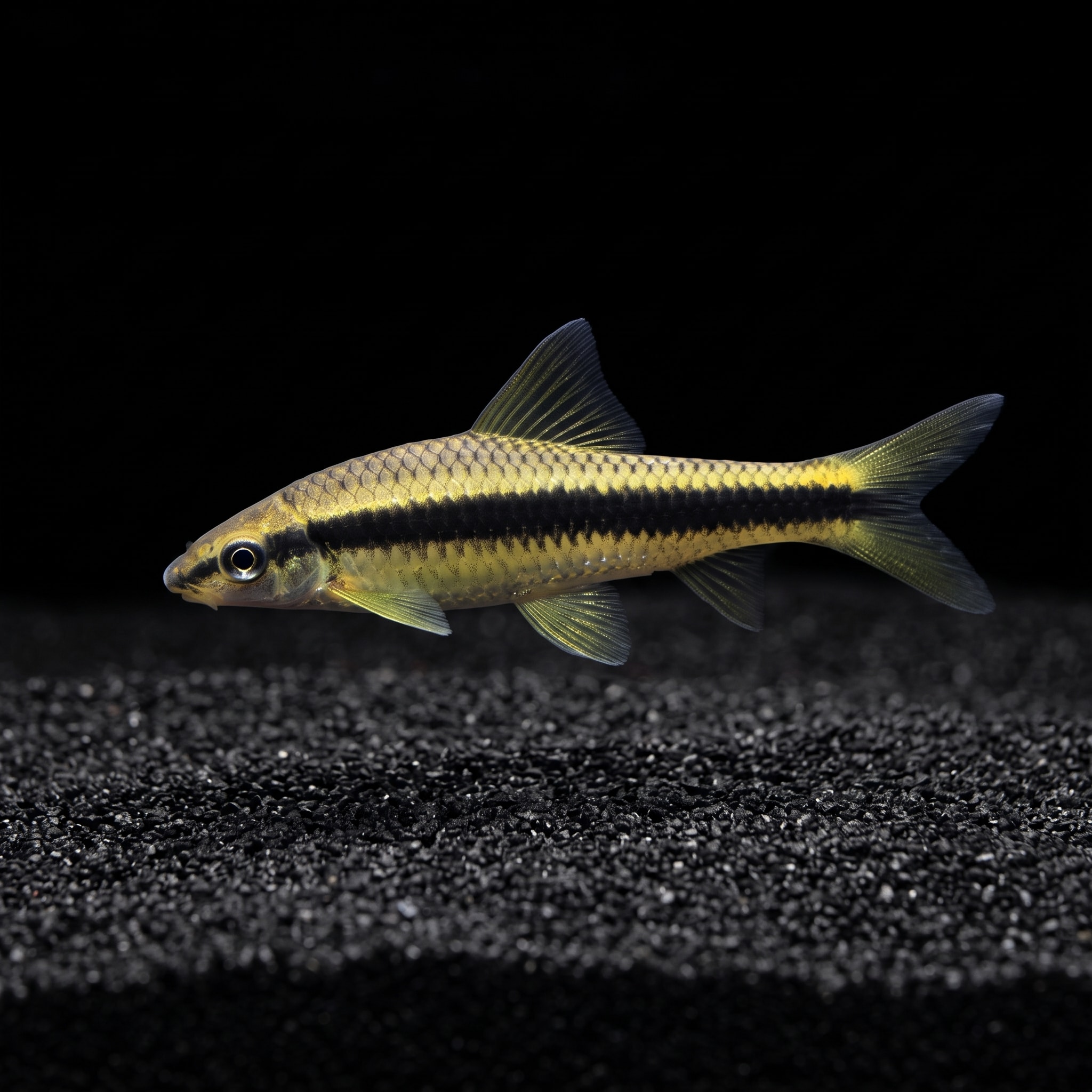

Quick Overview of the Siamese Algae Eater
The true Siamese Algae Eater (Crossocheilus oblongus), commonly abbreviated as SAE, is a cornerstone species for aquascapers and planted tank enthusiasts worldwide. Native to the fast-flowing streams and rivers of the Malay Peninsula and Chao Phraya basin, this torpedo-shaped cleaner grows to an adult size of 5 to 6 inches (12.7 to 15 cm). True SAEs feature a distinct jet-black horizontal stripe that runs uninterrupted from snout to the very tip of the tail fin, complemented by clear fins and a single pair of delicate barbels. Unlike aggressive lookalikes (such as false SAEs or Chinese Algae Eaters), true Siamese Algae Eaters remain peaceful, social, and plant-safe throughout their lives.
Tank/Plant Profiles & Environmental Requirements
-
Care Level: Very Easy / Beginner Friendly
-
Growth Rate / Activity: Moderate Growth; Highly Active Hardscape, Leaf & Substrate Glider
-
Lighting: Moderate (Supports natural micro-algae growth)
-
Temperature: 22°C – 28°C (Thrives naturally in Bacolod’s tropical climate)
-
Tank Placement: Bottom & Midwater Column Explorer (Constantly rests on leaves and hardscape)
-
Minimum Tank Size: 20 Gallons for juveniles; 30+ Gallons for an adult specimen or small group
Local Care Tips for Bacolod Aquarists
Bacolod Tap Water Match & Oxygenation: Siamese Algae Eaters adapt seamlessly to Bacolod’s typical neutral-to-slightly-hard, mineral-rich tap water (pH 6.8–7.8). Always treat tap water with a high-grade dechlorinator during weekly maintenance. Originating from river currents, they appreciate clean, well-oxygenated water with moderate current provided by a quality filter or powerhead.
Aquascaping & Natural BBA Management: SAEs are famous for cleaning delicate plant leaves without harming the tissue underneath, making them ideal for delicate carpet plants like Monte Carlo or Dwarf Hairgrass. They excel at picking pest algae off broad-leaved epiphytes like Anubias Barteri, Java Ferns, and Bucephalandra attached to driftwood or Seiryu stones—just remember that the creeping rhizomes of these epiphytes must remain completely exposed above the soil to keep them from rotting!
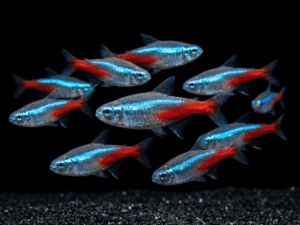
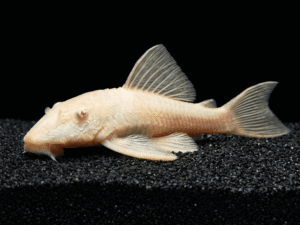
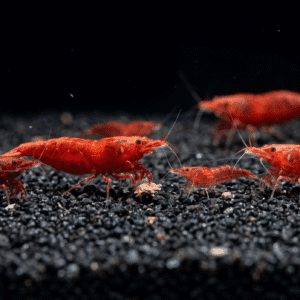
Dietary Needs & Community Etiquette: While their primary purpose is consuming pest hair algae, thread algae, and Black Brush Algae (BBA), their diet should be supplemented with spirulina wafers, sinking vegetable tabs, and blanched zucchini slices. They are completely non-aggressive toward tankmates, making them ideal companions for Tetras, Rasboras, Corydoras, Plecos, and adult Neocaridina/Caridina dwarf shrimp. A secure glass canopy or lid is mandatory, as SAEs are swift swimmers that can jump if startled.