
Quick Overview of the Cherry Barb
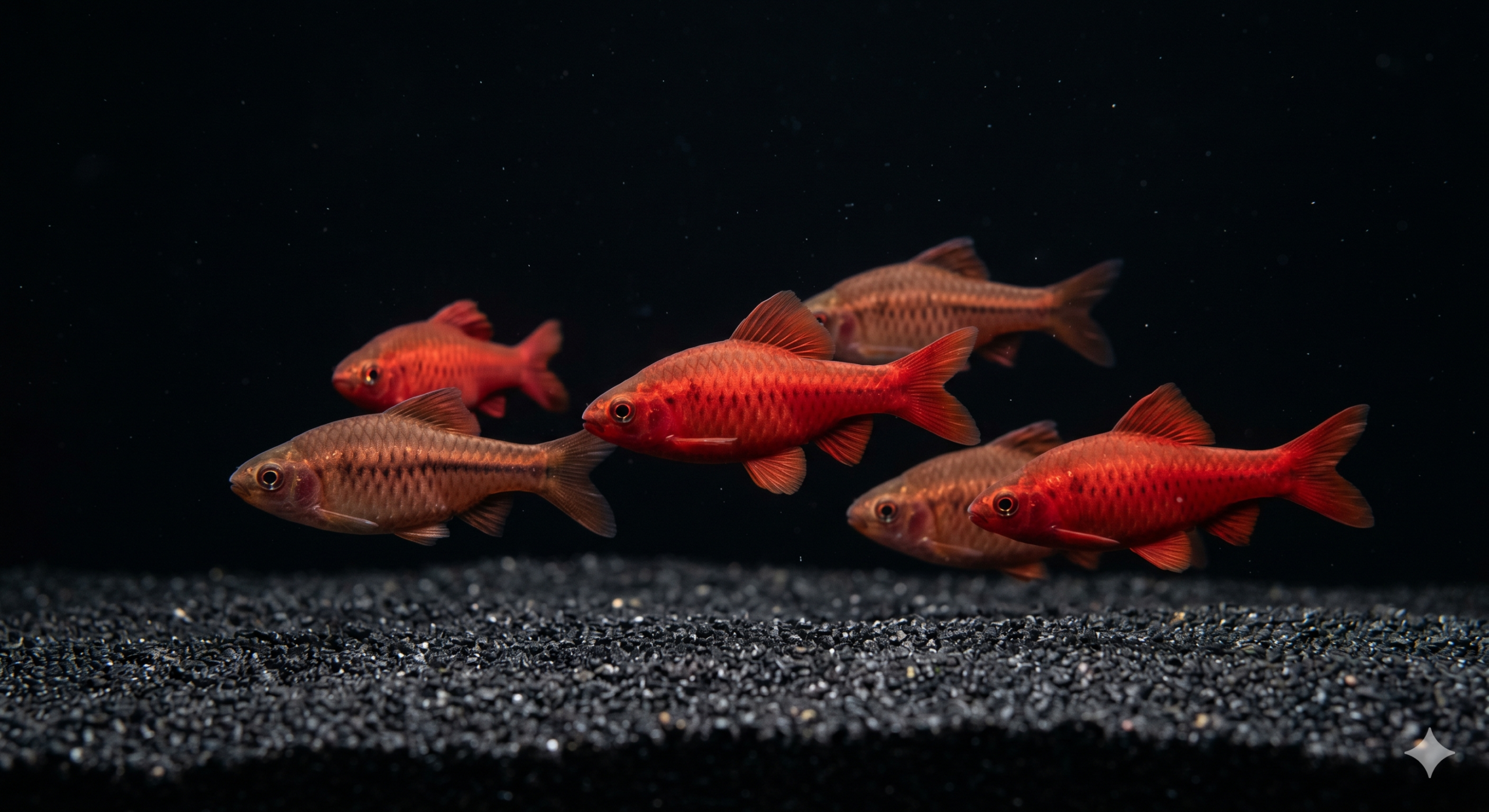
The Cherry Barb (Puntius titteya) is a classic, highly popular freshwater nano species natively hailing from the shaded, slow-moving forest streams and rivers of Sri Lanka. Reaching a compact adult size of 1.5 to 2 inches (3.8 to 5 cm), this species is celebrated for its graceful demeanor and remarkable color dimorphism. While females display a lovely coppery-bronze chassis with a dark horizontal stripe, mature males turn into living jewels—developing an extraordinarily intense, glowing ripe-cherry red coat that becomes even more saturated during courtship displays. Unlike many of their rowdier barb relatives, Cherry Barbs are exceptionally peaceful and gentle.
Tank/Plant Profiles & Environmental Requirements
-
Care Level: Very Easy / Beginner Friendly
-
Growth Rate / Activity: Moderate Growth; Active, Peaceful Schooling Behavior
-
Lighting: Low to Moderate (Subdued or dappled lighting brings out the deepest ruby tones in males)
-
Temperature: 23°C – 27°C (Thrives naturally in Bacolod’s tropical climate)
-
Tank Placement: Mid-to-Bottom Water Column Swimmers
-
Minimum Tank Size: 15 Gallons (Best kept in groups of 6 or more with a higher ratio of females to males)
Local Care Tips for Bacolod Aquarists
Bacolod Tap Water Match & Tannin Conditioning: Cherry Barbs are extraordinarily resilient fish that adapt effortlessly to Bacolod’s typical neutral to slightly hard tap water parameters (pH 6.8–7.8). Standard water maintenance using a high-quality dechlorinator is all that’s required. However, if you want your males to display their absolute deepest, most fiery ruby-red colors, consider adding local Talisay (Indian Almond) leaves or natural driftwood to your setup. The gentle humic acids and soft golden tannins released will mimic their natural forest stream home and keep their slime coats in peak condition.
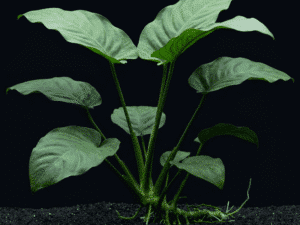
Plant-Heavy Aquascaping & Visual Contrast: Cherry Barbs feel most secure in aquariums loaded with dense greenery and dark backgrounds, which make their crimson bodies pop dramatically. They look breathtaking gliding over a lush green carpet of Monte Carlo or Dwarf Hairgrass. Frame the background with tall stem plants and tie low-maintenance epiphytes like Anubias Nano or Java Ferns directly to your driftwood branches. Always leave the rhizomes of these epiphytes exposed above the substrate to keep them from rotting!
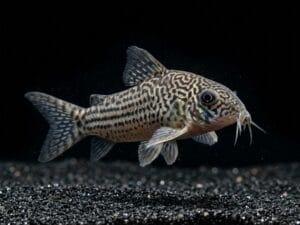
Dietary Specifics & Peaceful Community Etiquette: Cherry Barbs have gentle, non-destructive mouths and will never damage live plants or nip fins. Feed them a balanced, high-quality diet consisting of crushed vitamin flakes, micro-pellets, spirulina, and regular protein treats of frozen baby brine shrimp or daphnia to preserve their rich pigments. They are outstanding community residents that pair harmoniously with Tetras, Rasboras, Gouramis, Corydoras, and adult Neocaridina dwarf shrimp. Keep a secure lid or mesh screen cover on your aquarium, as energetic surface feeding can occasionally lead to accidental leaps.