
Quick Overview of the Paradise Fish
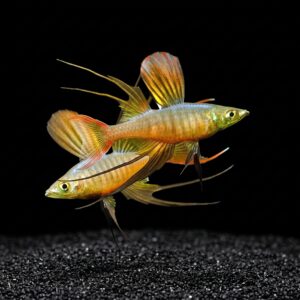
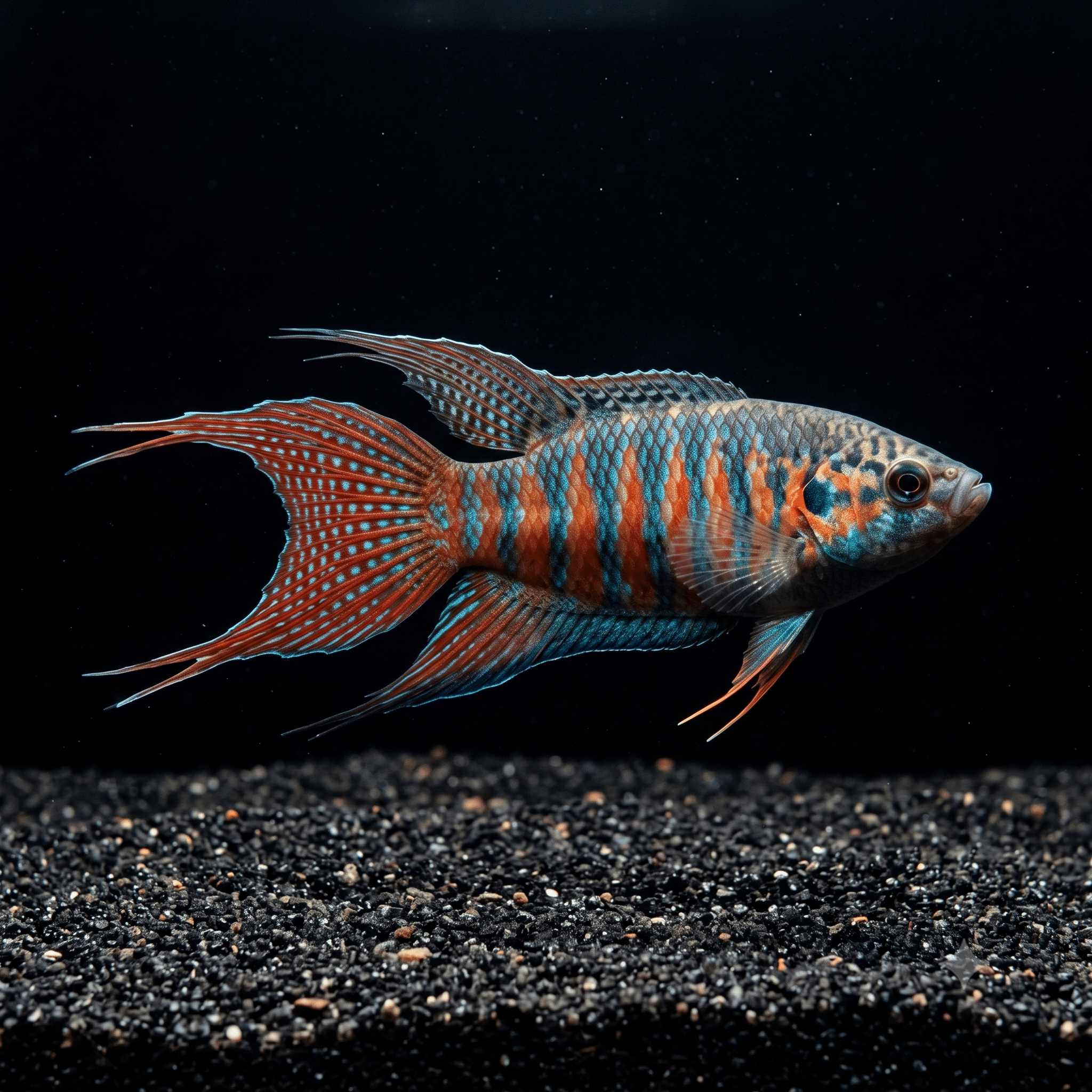
The Paradise Fish (Macropodus opercularis), also known as the Paradise Gourami, holds a storied place in aquatic history as one of the very first tropical aquarium fish imported to the Western world. Native to the slow-moving streams, rice paddies, and backwaters of East Asia, this highly intelligent labyrinth fish reaches an impressive adult size of 3 to 4 inches (7.5 to 10 cm). Dominant males are an absolute sight to behold: their compressed bodies are blanketed in alternating vertical bands of metallic cobalt-blue and fiery orange-crimson. As they mature, their dorsal, anal, and caudal fins extend into dramatic, sweeping lyre-tail filaments edged in crisp white, making them a breathtaking centerpiece.
Tank/Plant Profiles & Environmental Requirements
-
Care Level: Extremely Easy / Bullet-Proof Hardiness
-
Growth Rate / Activity: Fast Growing; Highly Curious & Territorial Centerpiece
-
Lighting: Low to Moderate (Appreciates dappled shade from surface plants)
-
Temperature: 16°C – 26°C (Extremely adaptable; thrives naturally in Bacolod room temperatures without heaters)
-
Tank Placement: Mid-to-Top Water Column Swimmer & Surface Explorer
-
Minimum Tank Size: 20 Gallons for a single specimen or established pair
Local Care Tips for Bacolod Aquarists
Bacolod Tap Water Match & Climate Adaptability: The Paradise Fish is virtually indestructible and an effortless biological match for Bacolod’s typical mineral-rich, neutral-to-alkaline tap water (pH 6.8–8.0). You can skip complex water chemistry alterations entirely—just use a quality water conditioner during routine maintenance. Because they possess a specialized labyrinth organ that allows them to gulp atmospheric air directly from the surface, they handle warm tropical Negrense room temperatures with ease. To keep them comfortable, avoid violent, churning filter outlets; a calm-to-gentle surface current lets them surface easily and construct their intricate bubble nests.
Aquascaping & Sightline Breakdown: Paradise Fish are intelligent, territorial explorers that love having a structured layout to rule over. To keep them confident and prevent shyness, design your aquascape with plenty of dense greenery, local driftwood branches, and rock caves. They are 100% plant-safe and look spectacular gliding through tall stem plants or above a green carpet of Monte Carlo. Incorporate floating plants like Amazon Frogbit to provide natural cover. Frame your midground with tough epiphytes like Anubias Barteri or Java Ferns bound securely to hardscape. Always leave the rhizomes of these epiphytes exposed above the soil to keep them from rotting!
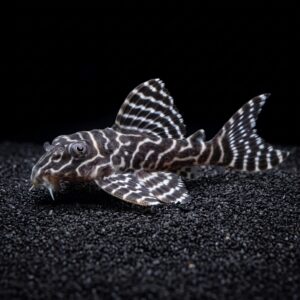
Dietary Needs & Temperament Management: Paradise Fish are enthusiastic, surface-oriented carnivores. Feed them a high-protein, varied diet consisting of floating pellets, high-grade flakes, and regular treats of frozen bloodworms, brine shrimp, or tubifex. Regarding tankmates: while they are bold and personable with their owners, males can be spirited and territorial toward their own kind or fish with similar shapes. Keep only one male per tank (unless in a very large aquarium), and pair him with fast-moving, peaceful community fish like larger tetras, barbs, danios, or bottom-dwelling corydoras and plecos. A tight-fitting lid or mesh cover is mandatory, as they are energetic jumpers when hunting surface bugs or interacting at feeding time.