
Quick Overview of the Red Neon Gourami
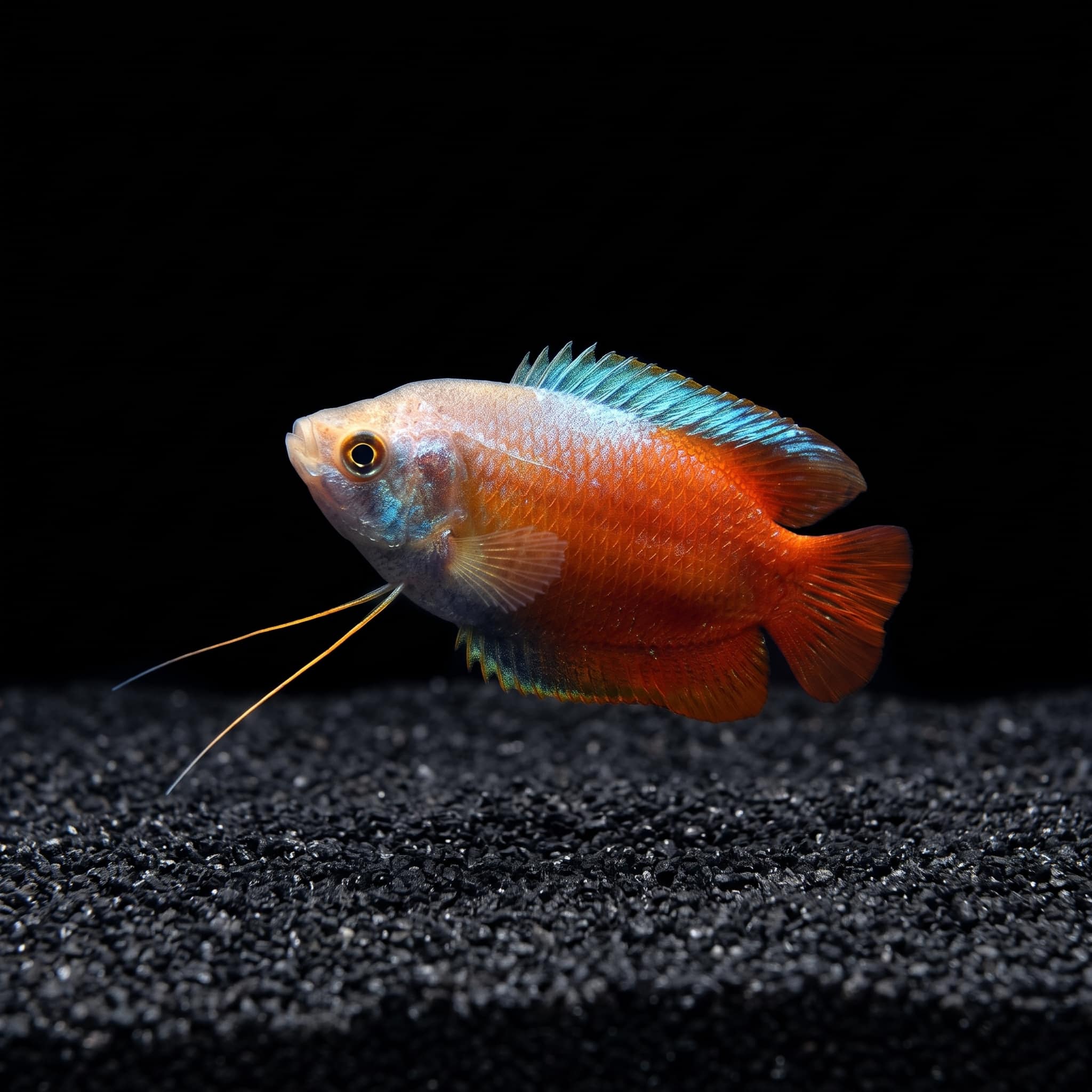
The Red Neon Gourami (Trichogaster lalius var. “Red Neon” or “Flame”), is a highly sought-after, selectively bred color morph of the classic South Asian dwarf gourami. Reaching a compact adult size of 2.5 to 3 inches (6 to 7.5 cm), this variant stands out for replacing the traditional alternating blue-and-red vertical stripes with a nearly solid, radiant flame-red or deep orange body.
As highlighted in the image above, the vibrant red chassis is dramatically set off by a brilliant, metallic cyan-blue margin along the dorsal fin, creating an eye-catching, high-contrast display. Like all labyrinth fish, they feature delicate, modified pelvic fins that act as tactile “whiskers” to gracefully examine their environment. They also possess a specialized labyrinth organ, which allows them to periodically dart to the surface to breathe atmospheric air.
Tank/Plant Profiles & Environmental Requirements
-
Care Level: Very Easy / Beginner Friendly
-
Growth Rate / Activity: Moderate Growth; Calm, Inquisitive Mid-to-Top Column Explorer
-
Lighting: Low to Moderate (Prefers dappled shading from floating vegetation to make its red colors pop)
-
Temperature: 23°C – 28°C (Thrives naturally in Bacolod’s tropical ambient room temperature)
-
Tank Placement: Mid-to-Top Water Column Dwellers
-
Minimum Tank Size: 10 Gallons for a single specimen; 15–20+ Gallons for a pair or community layout
Local Care Tips for Bacolod Aquarists
Bacolod Tap Water Synergy, Labyrinth Health & Calm Flow: Red Neon Gouramis are incredibly resilient and adapt easily to Bacolod’s typical neutral-to-slightly-hard tap water (pH 6.8–7.6) when properly conditioned with a high-grade dechlorinator. Hailing from sluggish, densely vegetated marshes and rice paddies, they require very gentle water flow. Avoid heavy wavemakers or harsh filter returns; a sponge filter or a baffled hang-on-back filter is ideal. A tight-fitting aquarium cover is mandatory to maintain a warm, humid pocket of air directly above the water. This protects their labyrinth organ from chill shock and prevents accidental jumping during feeding time.
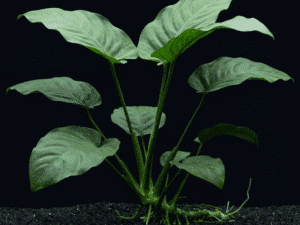
Aquascaping Strategy, Floating Cover & The Epiphyte Rule: These gouramis show their deepest, most saturated reds when they feel secure under cover. Supply an overhead blanket of floating plants (Salvinia, Red Root Floaters, or Water Lettuce), which males will use to construct elaborate bubble nests for breeding displays. Frame your midground with hardy, easy-care epiphytes like Anubias Barteri, Anubias Nano, Java Ferns, or Bucephalandra attached to local driftwood or Seiryu stones—just remember the golden rule: the creeping rhizomes of these epiphytes must remain completely exposed above the substrate to keep them from rotting!
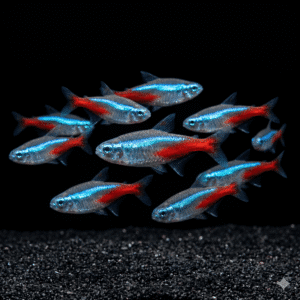
Dietary Specifics & Community Harmony: Red Neon Gouramis are unfussy omnivores. To maintain their rich crimson pigmentation, feed a diet high in natural carotenoids, such as color-enhancing micro-pellets, spirulina flakes, and regular treats of frozen bloodworms, daphnia, and brine shrimp. They are peaceful community residents that pair wonderfully with small schooling tetras (like Cardinal, Costae, or Congo Tetras), Rasboras, Pygmy Corydoras, Otocinclus, and Horned Nerite Snails. While they coexist peacefully with adult Neocaridina/Caridina dwarf shrimp, their curious nature means they may hunt unprotected newborn shrimplets, so ensure dense moss beds are available if breeding shrimp.